Is It Mold? How to Tell the Difference 🚫🍄
Chocolate rarely grows mold because it contains very little water.
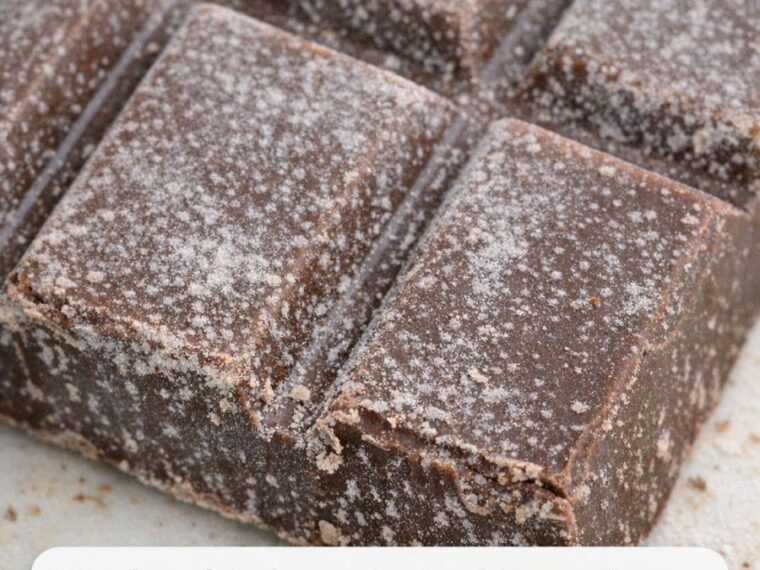
Bloom:
✔ Flat, powdery or streaky
✔ No smell
✔ Evenly spread
Mold:
❌ Fuzzy or hairy texture
❌ Green, blue, or black spots
❌ Musty or sour smell
👉 If you see fuzz or smell something off, throw it away.
Does Bloom Affect Taste or Safety?

- Safety: ✅ Totally safe
- Taste: 😐 Slightly dull
- Texture: 😬 Can feel crumbly or grainy
If you’re picky about texture, bloomed chocolate may not be ideal for snacking—but it’s still perfect for baking.
Can You Fix Bloomed Chocolate? Yes! 🔥
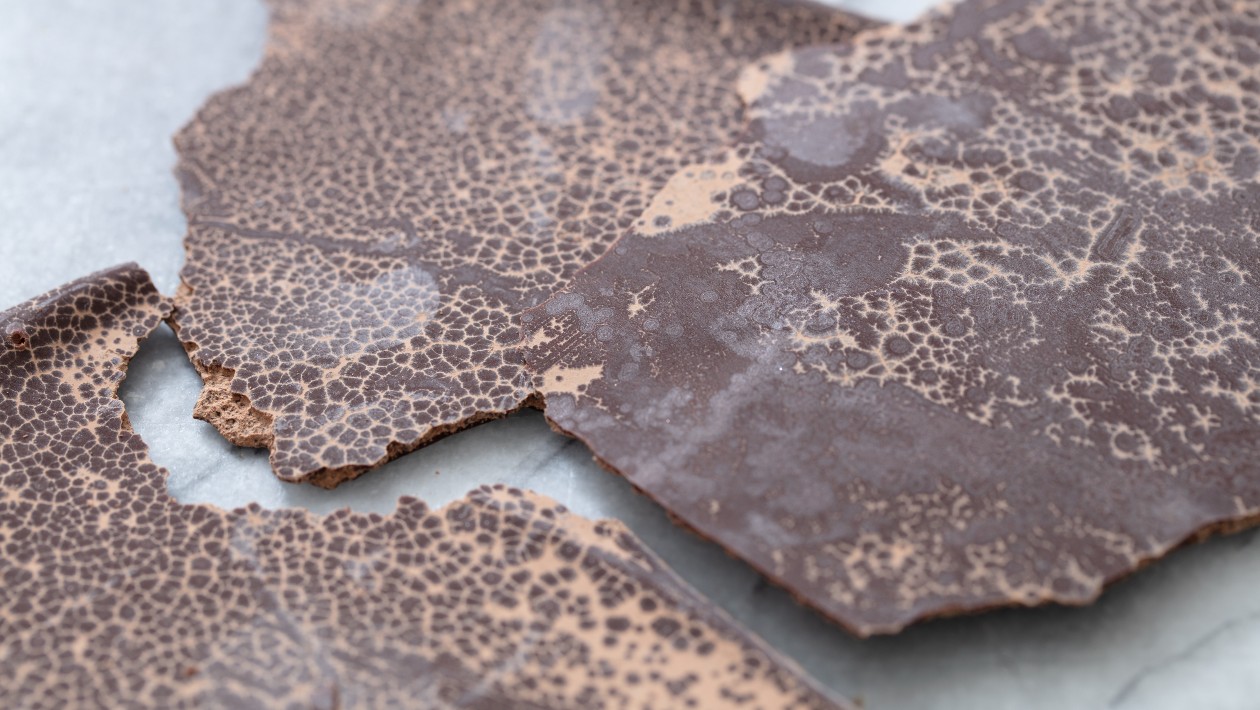

You can easily rescue bloomed chocolate:
Easy fixes:
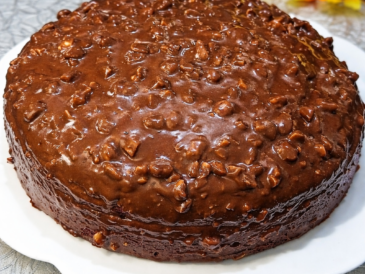
- Melt it gently and use it in cakes, brownies, or ganache
- Chop it and add it to cookies or muffins
- Use it for hot chocolate
Melting redistributes the cocoa butter and sugar, making it smooth again.
How to Prevent Chocolate Bloom 🧊🌡️
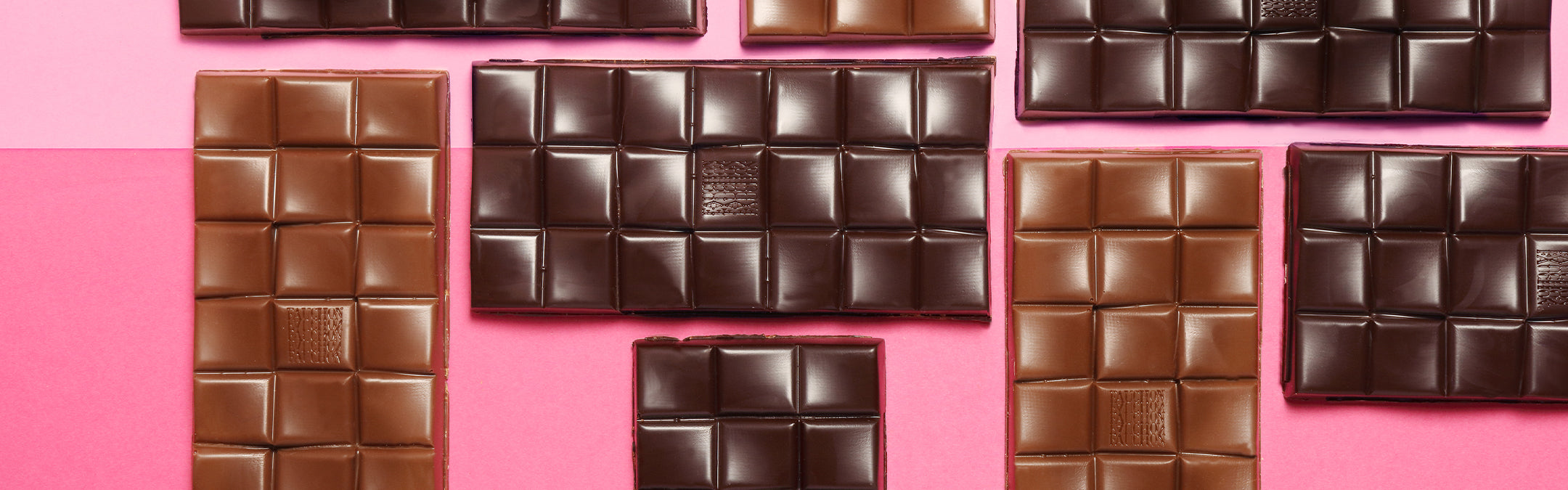

Follow these simple rules:
✔ Store chocolate at 15–20°C (59–68°F)
✔ Keep it dry and airtight
✔ Avoid the refrigerator unless absolutely necessary
✔ Never expose chocolate to sudden temperature changes
Final Verdict 🍫✅
If your chocolate has a dusty white coating, don’t panic.
✔ It’s almost always fat bloom or sugar bloom
✔ It is safe to eat
✔ It only affects appearance and texture, not safety
So unless it smells bad or looks fuzzy, you can enjoy it—or better yet, turn it into a delicious dessert.