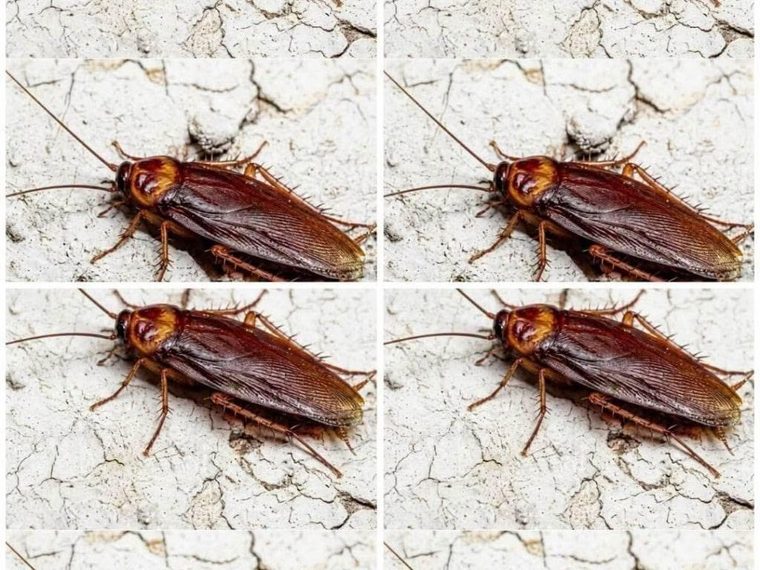
Finding a cockroach crawling across your kitchen floor or hiding in your bathroom can be an unpleasant surprise. These insects often appear suddenly, especially at night, leaving homeowners wondering where they came from and what attracted them in the first place.
But did you know that cockroaches entering your home can be a sign of hidden moisture, easy access to food, small entry points, or a nearby infestation? Although their presence is often associated with poor hygiene, the truth is more complicated. Even clean homes can attract cockroaches when conditions are favorable.
Understanding why these insects appear is the first step toward keeping them away. Here are the most common reasons cockroaches enter homes, the warning signs you should never ignore, and practical ways to prevent them from returning.

1. It May Be a Sign of Hidden Moisture
One of the most common reasons cockroaches enter homes is the availability of water. Like other living creatures, they need moisture to survive, and certain species are especially attracted to damp environments.
Leaking pipes beneath the kitchen sink, condensation around plumbing, dripping faucets, and persistently damp bathrooms can create ideal conditions for these insects.

Cockroaches may hide in dark spaces beneath sinks, behind refrigerators, around washing machines, and near drains. These areas provide shelter, moisture, and sometimes food particles.
What you can do:
- Repair leaking pipes and dripping faucets.
- Dry wet surfaces instead of leaving standing water overnight.
- Improve ventilation in bathrooms and laundry rooms.
- Check under sinks and behind appliances for signs of moisture.
- Investigate persistent dampness rather than simply covering it up.
Fixing a moisture problem can make your home less attractive to cockroaches, although it may not eliminate an established infestation on its own.
2. It May Be a Sign That Food Is Easy to Find
Cockroaches are opportunistic feeders. They can survive on surprisingly small amounts of food, including crumbs, grease, spilled drinks, food scraps, and residue around kitchen appliances.
Even if your kitchen looks clean, tiny crumbs beneath the stove or refrigerator may provide enough nourishment to attract them.

Pay special attention to these common trouble spots:
- The area behind and beneath the refrigerator.
- Greasy spaces around the stove and oven.
- Open bags of flour, cereal, sugar, or pet food.
- Kitchen trash cans without tightly fitting lids.
- Dirty dishes left in the sink overnight.
The U.S. Environmental Protection Agency recommends removing accessible food, water, and shelter as the foundation of effective pest prevention.
A simple habit that makes a difference: clean kitchen surfaces after preparing meals, store dry foods in sealed containers, and avoid leaving pet food out overnight.
3. It Could Mean Cockroaches Are Entering Through Small Gaps
Cockroaches do not need an open door to enter your home. Depending on the species and the building, they may squeeze through narrow openings around plumbing, cracks in walls, gaps beneath doors, or damaged window screens.

Inspect areas around:
- Water pipes entering walls and floors.
- Kitchen cabinets and bathroom fixtures.
- Door frames and window edges.
- Cracks along baseboards.
- Ventilation openings and drains, where applicable.
Seal suitable cracks with an appropriate material, repair damaged screens, and consider installing door sweeps where gaps exist. For plumbing openings, use a sealant suitable for the location and keep necessary ventilation unobstructed.
If you live in an apartment building, cockroaches may also travel between units through shared service spaces. In that situation, treating one room alone may not solve the underlying problem.
4. It May Be a Sign of a Nearby Infestation
Seeing one cockroach does not automatically mean your home is infested. An insect may have entered from outside, arrived in a delivery box, or wandered in from a neighboring area.
However, repeated sightings deserve attention.

Look for these possible warning signs:
- Cockroaches appearing repeatedly over several days.
- Small dark droppings in cupboards, drawers, or corners.
- Egg cases in protected hiding places.
- Shed skins or dead insects near appliances.
- Cockroaches appearing in different rooms, especially near food and water.
Cockroaches often hide during the day and become active at night. Seeing them during daylight can sometimes indicate that their hiding places are crowded or disturbed, but this observation alone cannot confirm the size of an infestation.
If sightings continue, sticky monitoring traps placed out of reach of children and pets can help identify where activity is concentrated. A licensed pest-control professional can assess the situation and recommend suitable treatment.
5. It Does Not Necessarily Mean Your Home Is Dirty
One of the most common misconceptions about cockroaches is that they only appear in dirty homes.
Although food scraps, clutter, and poor sanitation can make an infestation easier to sustain, cockroaches can also enter clean and well-maintained houses.

They may arrive in grocery bags, cardboard boxes, secondhand appliances, furniture, or luggage. In apartment buildings, they may also move through shared walls and plumbing spaces.
Keeping your home clean is an important preventive measure, but it is not a guarantee that cockroaches will never appear.
Instead of blaming yourself, focus on identifying the conditions that may be attracting them and the routes they might be using to enter.
6. Cockroaches Can Affect Indoor Health
Cockroaches are more than an unpleasant sight. Their droppings, shed skins, saliva, and body fragments can contain allergens that may trigger symptoms in sensitive individuals.

Exposure to cockroach allergens can worsen asthma symptoms, particularly in people who are already sensitive to them. Cockroaches can also contaminate food and food-contact surfaces as they move through kitchens and waste areas.
To reduce potential exposure:
- Keep food covered and store it in sealed containers.
- Clean food preparation surfaces regularly.
- Remove rubbish frequently and keep bins closed.
- Clean up droppings carefully while avoiding the spread of dust.
- Address recurring infestations promptly.
If someone in your household has asthma or allergies, avoid relying on aerosol sprays or foggers as your first response. These products can irritate the respiratory system, and the CDC advises avoiding sprays and foggers when managing pests around people with asthma.
7. Why Do Cockroaches Seem to Appear More Often at Night?
Cockroaches are generally nocturnal. Darkness provides an opportunity to search for food and water while avoiding many disturbances.

If you switch on the kitchen light late at night and see a cockroach run beneath a cabinet, it may have been feeding or searching for water.
You can use this behavior to guide your inspection. Check likely hiding places after dark, particularly around refrigerators, sinks, cupboards, and other warm, sheltered spaces.
Avoid reaching blindly into dark gaps. Use a flashlight to inspect safely, and do not disturb suspected nesting areas unnecessarily.
8. What Is the Most Effective Way to Keep Cockroaches Away?
There is no single trick that works in every home. The most reliable approach combines cleaning, moisture control, exclusion, monitoring, and appropriate pest treatment.

Here is a practical prevention checklist:
Your home prevention checklist
0 of 8Wipe up food crumbs and spills promptly.Store food and pet food in tightly sealed containers.Keep rubbish in a covered bin and empty it regularly.Repair leaking pipes and dry damp areas.Seal suitable cracks around cabinets, baseboards, and pipes.Reduce clutter, especially cardboard and paper stored on the floor.Inspect grocery bags, packages, and secondhand items before bringing them inside.Use monitoring traps to identify recurring activity.
These steps reflect the integrated pest-management approach recommended by the EPA: identify the problem, remove what attracts pests, block their entry, and use targeted treatments when necessary.
If you use cockroach baits or other pesticides, follow the product label carefully and keep them away from children, pets, food, and food-preparation surfaces. Never mix household chemicals or apply pesticides in ways not specified on the label.
9. When Should You Call a Pest-Control Professional?
Occasional sightings may be manageable with preventive measures, but repeated activity can indicate a problem that requires more targeted treatment.

Consider professional help if:
- You see cockroaches repeatedly despite cleaning and sealing gaps.
- You find egg cases or droppings in multiple locations.
- Cockroaches are appearing in bedrooms or other rooms away from the kitchen.
- Several apartments in the same building are affected.
- You suspect the insects are coming from shared plumbing or wall cavities.
A professional can identify the likely species, locate hiding places, and select a treatment suited to the infestation. In apartment buildings, coordination with the landlord, building manager, or neighboring residents may be necessary.
Final Thoughts: What Does It Really Mean When Cockroaches Enter Your Home?

TO CONTINUE READING THE ARTICLE PLEASE SEE PAGE 2