Heart disease remains one of the leading causes of death worldwide. According to the World Health Organization, cardiovascular diseases claim nearly 18 million lives each year, and heart attacks account for a large portion of these deaths.
While heart attacks often appear sudden, many patients report experiencing early warning signs weeks or even months before the event occurs. These symptoms are sometimes subtle and easy to ignore, but recognizing them early can save lives.
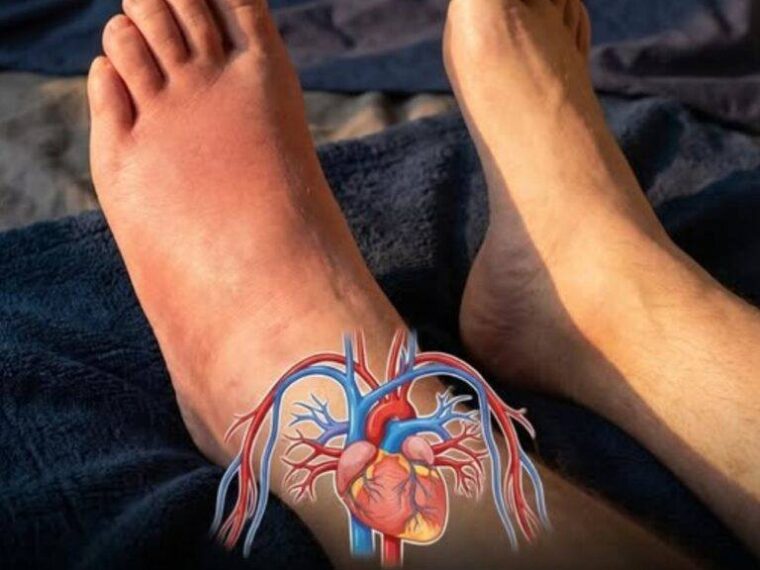
The image above highlights swelling in one foot compared to the other, suggesting poor circulation or fluid retention—one possible sign that the heart is struggling to pump blood effectively.
Below are seven warning signs that your body may show before a heart attack, along with scientific insights and medical explanations.
1. Swelling in the Feet and Ankles
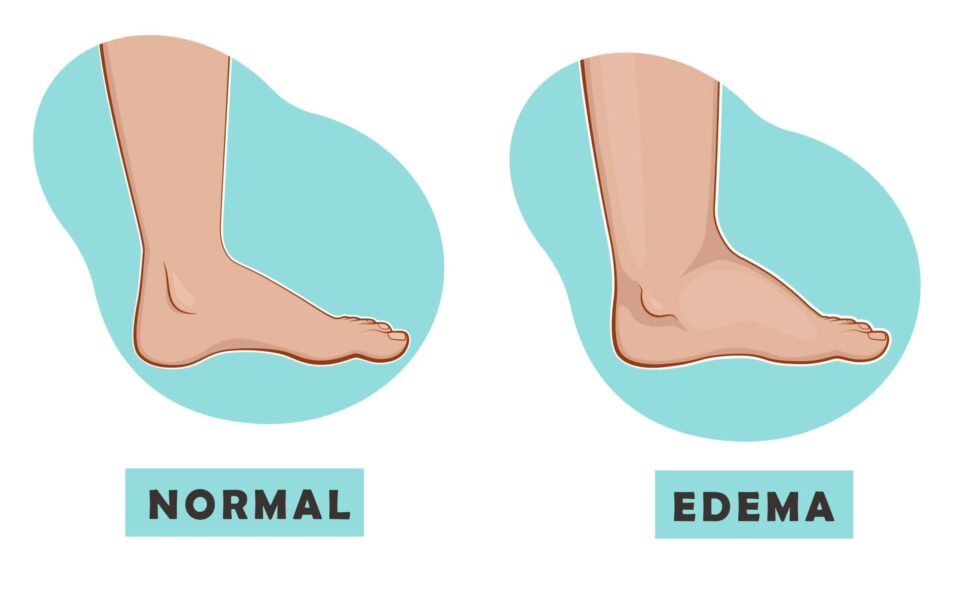
One of the most visible warning signs of heart problems is swelling in the lower limbs, also known as edema.
When the heart becomes weaker and cannot pump blood efficiently, blood flow slows down in the veins. This causes fluid to accumulate in tissues, particularly in the feet and ankles.
Common symptoms include:
- Puffy or swollen feet
- Tight shoes that suddenly feel uncomfortable
- Skin that looks stretched or shiny
Doctors often associate this symptom with congestive heart failure, a condition where the heart cannot pump enough blood to meet the body’s needs.
2. Unusual or Persistent Fatigue

Feeling tired after a long day is normal, but persistent and unexplained fatigue can sometimes signal heart problems.
Research published in the Circulation Journal and supported by the American Heart Association found that many heart attack patients reported severe fatigue in the weeks before their cardiac event.
You might notice:
- Extreme exhaustion after simple activities
- Difficulty completing daily tasks
- Feeling constantly drained
This fatigue occurs because the heart struggles to deliver oxygen-rich blood throughout the body.
3. Shortness of Breath

Another early warning sign is difficulty breathing, especially during normal activities.
When the heart cannot pump blood efficiently, fluid may build up in the lungs, making it harder to breathe.
Symptoms may include:
- Breathlessness while walking or climbing stairs
- Waking up suddenly at night struggling to breathe
- Feeling like you cannot take a full breath
Medical professionals refer to this condition as dyspnea, and it is commonly associated with heart disease.
4. Chest Discomfort or Pressure
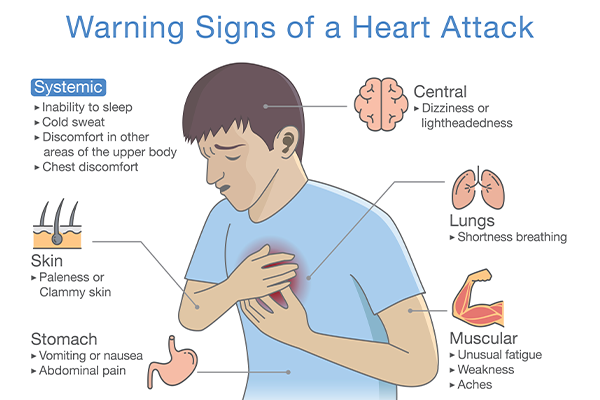
Chest pain is the most well-known symptom of a heart attack, but before the actual event, many people experience mild or intermittent discomfort.
It may feel like:
- Pressure or heaviness in the chest
- A squeezing sensation
- Burning similar to heartburn
The discomfort may also spread to the left arm, neck, jaw, or back.
5. Dizziness or Lightheadedness
TO CONTINUE READING THE ARTICLE PLEASE SEE PAGE 2