How to “Read” Your Leaves and Fix Problems Early
If your plant’s leaves are turning yellow, developing brown or black spots, or dying from the edges inward, your plant is trying to tell you something. Leaves act like warning signs, showing stress long before the plant fully declines. Learning how to “read” them can save your plant—and prevent the same mistake from happening again.
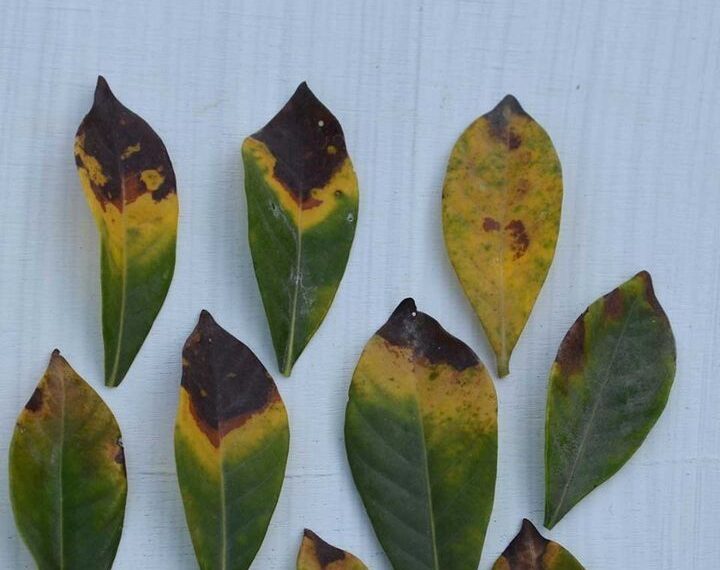
The image above shows leaves with yellowing, dark brown tips, and blotchy discoloration, all classic signals of common plant problems.
Let’s break down what these signs usually mean and what you can do about them.
1. Yellow Leaves With Dark or Burnt Tips
What it means
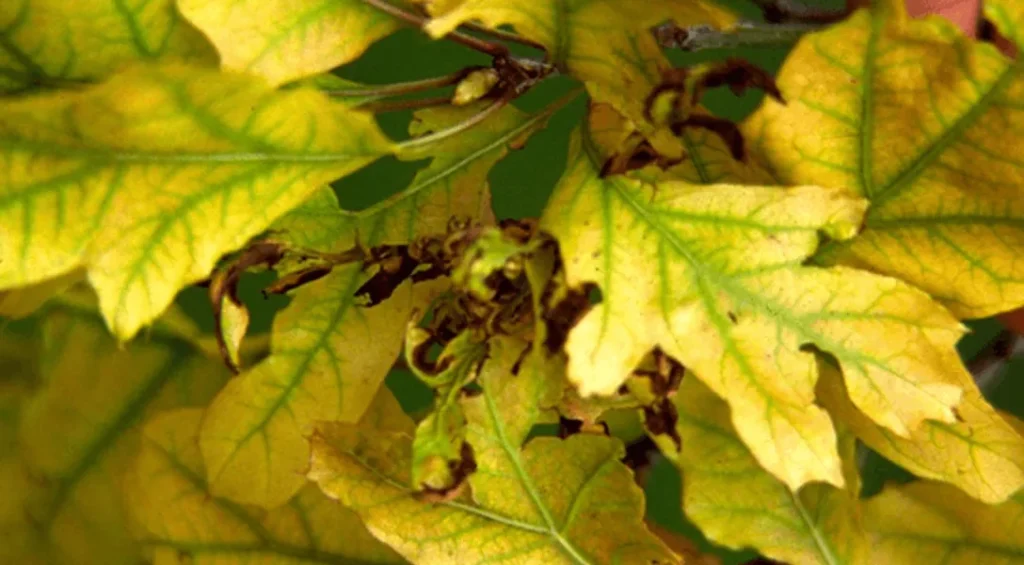
This pattern often points to:
- Overwatering
- Poor drainage
- Root stress or root rot
- Salt buildup from fertilizer
When roots sit in soggy soil, they can’t breathe. As a result, leaves start to yellow, and the tips turn brown or black.
What to do
- Check the soil before watering (top 2–3 inches should be dry)
- Make sure the pot has drainage holes
- Reduce watering frequency
- Flush the soil with clean water to remove excess salts
2. Brown or Black Spots on the Leaf Surface
What it means
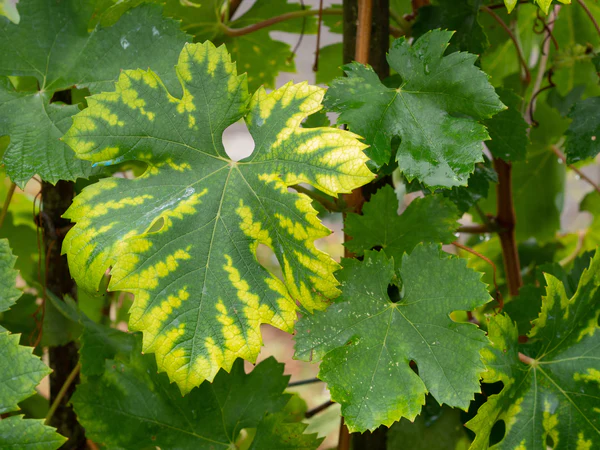
Spotted leaves are often caused by:
- Fungal or bacterial infections
- High humidity with poor airflow
- Water sitting on leaves too long
These infections spread quickly if not treated early.
What to do
- Remove and discard affected leaves
- Avoid watering from above
- Improve air circulation
- Use a mild fungicide or neem oil if needed
3. Yellowing Starting From the Edges or Between Veins
TO CONTINUE READING THE ARTICLE PLEASE SEE PAGE 2